A short history of how Mario, gaming’s most famous Italian, almost wasn’t Italian
What if Mario had been designed as a generic European guy? What then?
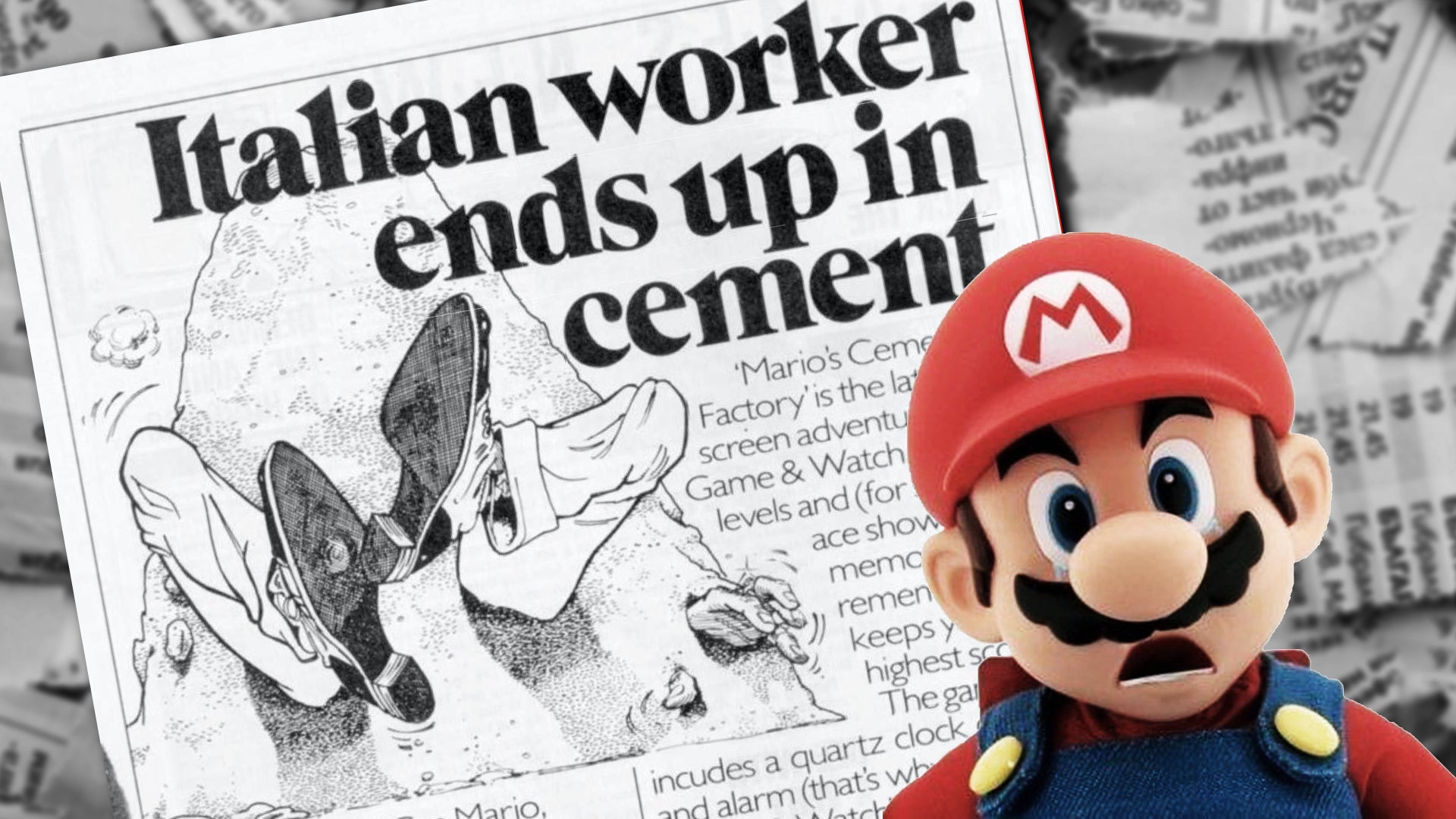
The list of celebrities that Italy has gifted to the world is definitely quite long: Dante, Caravaggio, Michelangelo, Leonardo da Vinci. But, obviously, the most famous of all remains a short and stocky mustachioed plumber by the name of Mario . But how Italian is he, really, and what exactly is his story?
I talked about it with a few Italian developers and found out that, in the end, almost everyone loves “doing the Mario”.
If this doesn’t do something to you, you have no soul.
In the early 80s, video game characters did not really have a well-defined backstory or, even less, a national identity. Character design was all about the art that decorated the arcade cabinet, the manual or the magazine ads. Overall, the most important design choice was using a few pixels to design instantly recognizable characters on screen. When Miyamoto was finishing the design on the human protagonist for Donkey Kong, he recalled not having any clear ideas on who he should really be. The hero had placeholder names such as Mr. Video or Jumpman – having a great big charismatic gorilla probably seemed colorful enough. But, then, Italy happened. Or, rather, an Italian-American businessman.
The story, originally reported in David Sheff’s classic book “Game Over”, goes that it was a small incident which ended up inspiring Miyamoto to give the character his definitive name. Minoru Arakawa, president of Nintendo at the time, was, apparently, berated in front of his employees by Italian-American businessman named Mario Segale, owner of the warehouse which Nintendo was renting. Apparently, there was a problem with overdue rent. That’s how Mario finally completed his… jump… to the Belpaese, embracing his name as a homage to one hotheaded warehouse owner. Reportedly, Segale was later interviewed and said to be unhappy for not having ever received “his royalty checks”.
But this story might be a small detail in a bigger picture. A quick look at the original Jumpman sprite, which was basically already a short and stocky plumber, seems to tell a slightly different story. Since its original version, before the Segale incident, the character already looked very much… Mediterranean? It seemed to be designed after a widespread stereotype for Mediterranean men in Japan in the 70s. They were short, slightly pot-bellied, and sported luxurious mustaches. References can be found in anime, such as Isao Takahata’s 3000 Leagues in Search of Mother . Clearly, Segale was just the inspiration for the name, the character seemed to already be on his way to “bella Italia”.
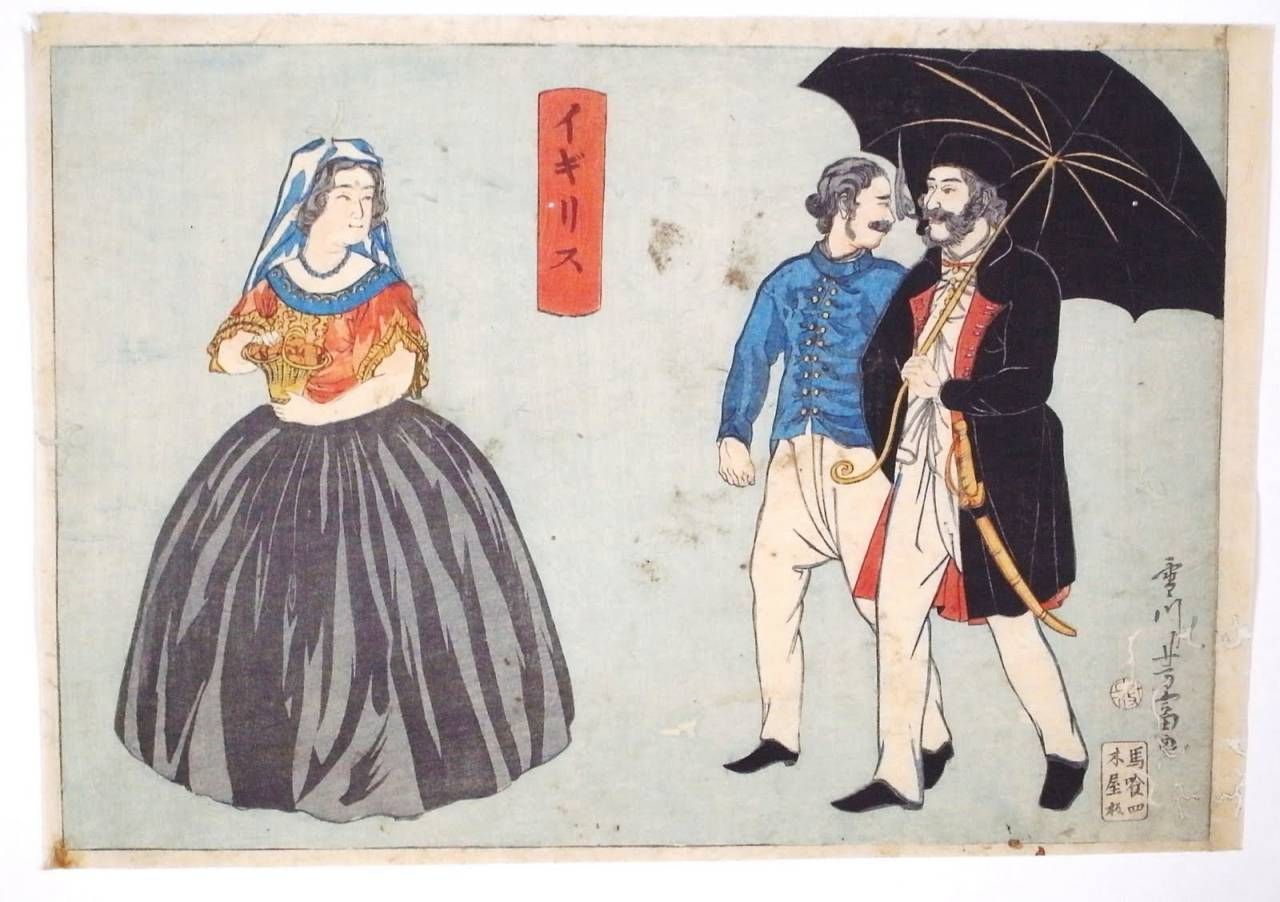
Japanese woman meeting European visitors in 1860.
Still, in his original appearance on Donkey Kong and its sequels, Mario’s Italian descent seemed to just be a vague personal trait. Japan always had a great fascination and respect for Italian culture, so we could assume they would have kept it that way. Things changed, basically overnight, when Mario reached US soil. We can easily pinpoint the moment that he transformed from a vague Italian stereotype drawn by Japanese developers, to full-on Italian American descent: Super Mario Bros.’ release in the US.
In the original Japanese manual, the first enemies you encounters in the game were called “kuribo”, which we would translate as “chestnut guy”. The name which everyone is familiar with nowadays is, instead, “goombas”. The term was made up for the American version of Super Mario Bros. and it was a play on the now mostly-forgotten, racial insult “goombah”. The term is modeled after “cumpà”, a term used in Italian-American culture, sometimes between friends, but also among fellow Mafia associates.
Interestingly, around the same time in Italy, NES and Nintendo were not huge names. It would take several years for Nintendo to take hold of the game market in the Belpaese, therefore not many originally got to know Mario in the 80s. I asked a few people that were there at the time, like developer and graphic artist Daniele Giardini, designer of Still There . He recalls:
“I knew Mario only as a distant cousin that you hear a lot of stories about, but never really met. I don’t remember which game I first played, it was many years ago”. Giuseppe Navarria, associate technical design director at Splash Damage, agrees, and shares a similar story, how he got to know Mario only years later on the Super Nintendo.
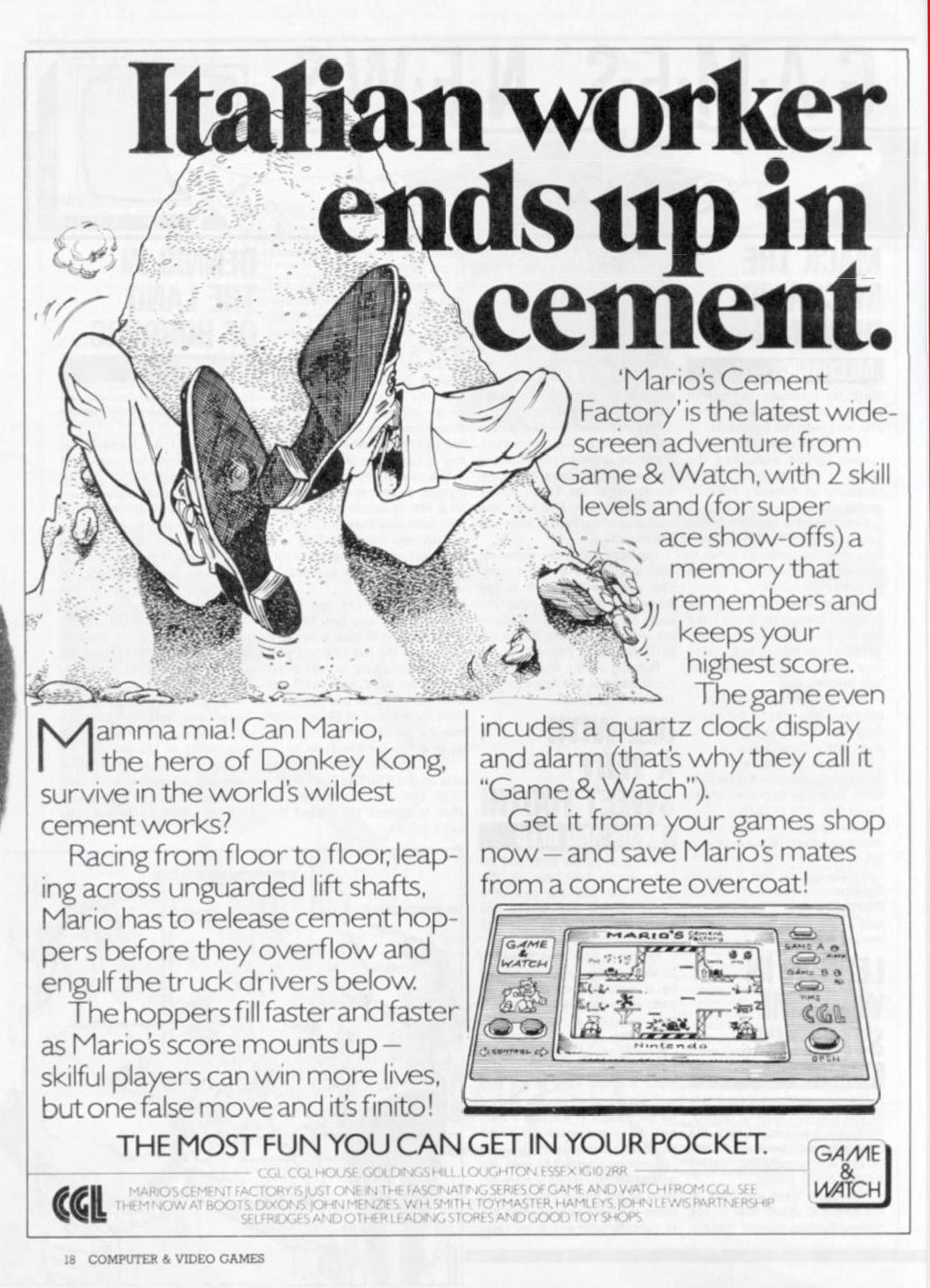
A 1983 Mario’s Cement Factory ad which clearly references the “Chicago overcoat”, technique used by the Mafia to get rid of unwanted subjects.
Going back to the US, a few years after first stepping off the boat, Mario finally received a voice. In 1989, the Super Mario Bros Super Show would debut on American TVs with Italian-American wrestler Lou Albano voicing the character – and even impersonating him in live-action segments. Albano was actually born in Rome, so he definitely had the pedigree for voicing Mario. Of course, let’s not forget the infamous 1994 CDi Hotel Mario animated segments where our dear plumber was voiced by Marc Graue, who also did voices for Luigi and Bowser. As silly as the material was, both Albano and Graue really did not go all in in mocking the typical Italian-American slang, but rather kept their original accents mostly intact.
But before the CDi, Mario already had received his official voice. Years before, Californian actor Charles Martinet had sent in an audition tape to Nintendo. He remembers that, after thinking about using a mobster-like voice, he settled for spouting vague Italian gibberish. Despite many remembering Martinet in Super Mario 64 , he was voicing the character well before the 1996 release of the classic platformer. He can be heard, for example, in the Interplay-developed minigame collection 1993 Mario’s Game Gallery , where the voice of Mario is already quite close to the one we’ve all grown to love, perhaps even a tad sillier.
While surely in good spirit, Martinet’s interpretation of the character does feel like a vague mockery of Italian culture. Strange to feel that it is still living strongly in this era where national stereotypes are carefully being avoided by many companies. So it’s not entirely surprising that, for the movie, Chris Pratt is just using his normal voice and accent .

Italy’s relationship with the plumber is both strange and fascinating. One of the character’s most remembered appearances was in a 1990 NES TV ad, starring singer/rapper Jovanotti (see above) – an artist whom we could define as Italy’s answer to rapper Vanilla Ice. In the curious commercial, the singer is seen playing with Super Mario Bros (“I’m just here with Mario!”), inviting a girl home which he immediately puts the moves on, while pretending to teach her how to play Super Mario Bros.
Fabio Capone, NAPS team co-founder and developer of RPG Baldo: The Guardian Owls , adds: “In a way I feel we are all Mario’s children, even in Baldo there is definitely his imprint! As a teen, I used to play Mario platformers on Super Nintendo and Game Boy, back when it was all about challenge and your personal ability. Today? Nintendo would never create a character like that!” Andrea Interguglielmi, game designer at Armor Games Studio, thinks it would be quite boring if they took away every bit of Mario’s Italian identity. “While I have to remember the character actually comes from Japan, it is still strange to think he might have relatives somewhere around in Italy!”
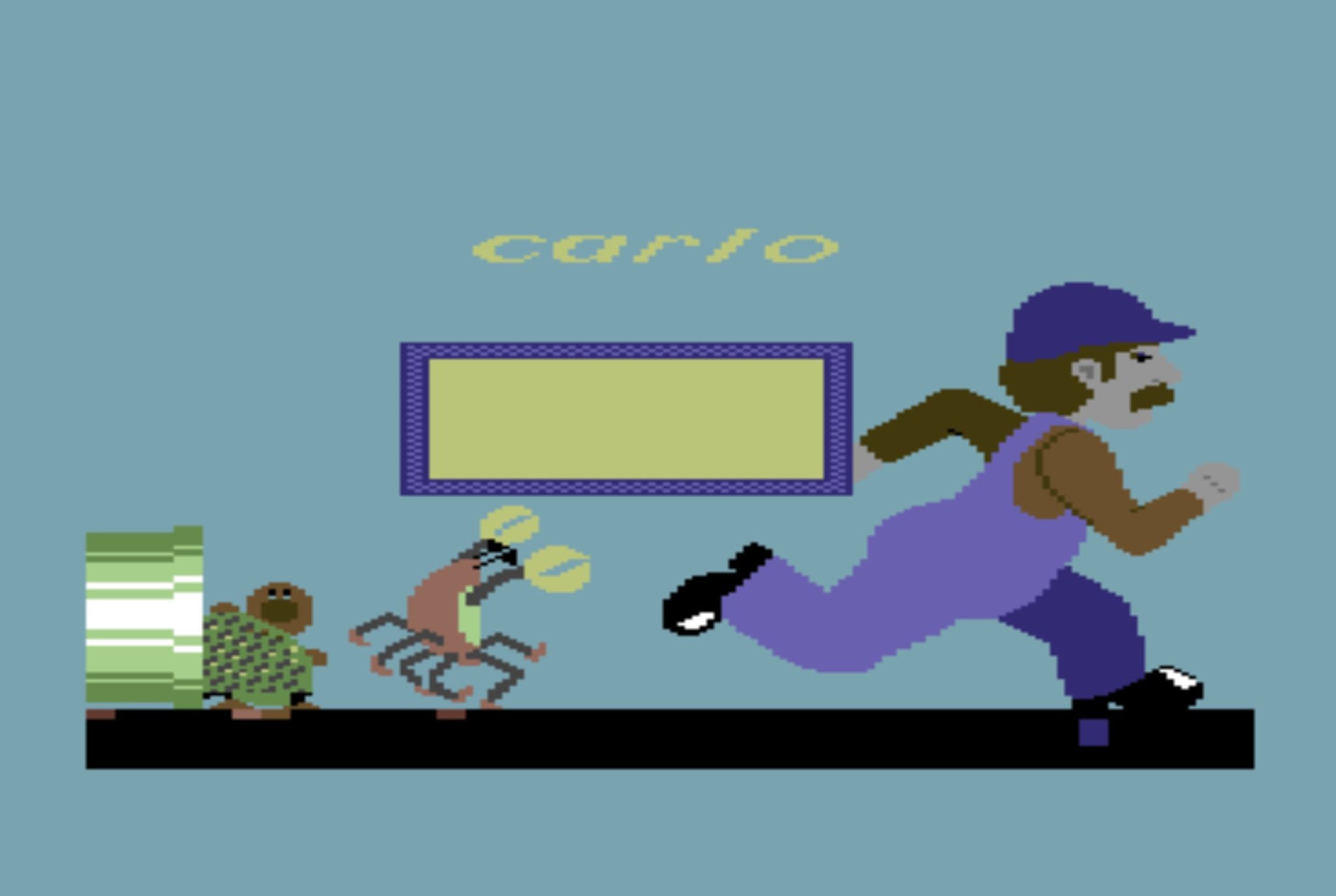
The We Are Muesli team remember their first encounter with Mario being a pirated Commodore 64 version of Mario Bros called Carlo.
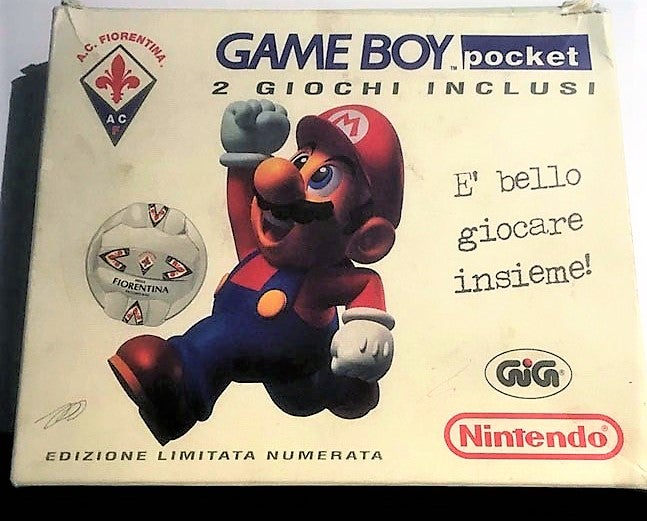
A limited edition of the Game Boy Pocket with Mario as a mascot of the Fiorentina soccer team.
While it’s just wishful thinking, I think we can all agree that it would be quite interesting to see Nintendo letting Mario free to embrace the more aggressive aspects of Italian culture. For example, our perennial war against any food that is not “100% true Italian”, as vague as that statement may sound.
Personally, I would be quite interested to play a platformer where Mario is tasked with defending the Mushroom Kingdom from food that is not truly Italian. Nintendo, when can I put down my preorder for the “Mario Odyssey – Bowser’s Pineapple Pizza” expansion?
Sign in and unlock a world of features

