The Fallout TV show’s good, but Bethesda shouldn’t be afraid to let the series out of its Vault-Tec liveried box
War may never change, but that doesn’t mean Fallout’s world needs to stand still.

Image credit:VG247/Bethesda

Somebody’s lost their dad. Again.
He’s wandered off into the wasteland, beyond the safety of the vault. He’s left one place trapped in its own little time bubble, and walked into another which - in the case of a lot of the Fallout things we’ve gotten over the past decade or so - feels like it’s also stuck largely in the same state.
Even now, a full 219 years after the bombs dropped and the world burned, it’s still largely the same scorched mess, sparsely scarred with small pockets of struggling civilisation, that it was back in 2161, when a dweller emerged from Vault 13. It’s still just as haunted by the spectre of doom as the capital was in 2277. That same sense of desperation that existed around Boston back in 2287, before that superhuman DIY nut was unfrozen, lives on.
There’s the Brotherhood of Steel, as powerful, well-armed, and relevant to the wasteland at large as they were in Fallouts 3 and 4 . Despite their tendency towards isolationism and obsessional pursuit of an often very conservatively-tinged doctrine about preserving pre-war technology, rather than using it to help people. There’s the Enclave, somehow still being allowed to maintain facilities and conduct experiments as it always has, despite having been smashed to pieces and hunted down like dogs following their defeats in Fallouts 2 and 3.
There are the vault dwellers, with some still always being stuck underground, mainly so they can emerge into the wastes for the first time whenever is convenient, and gaze upon a world that never stops looking like it did just after the dust settled back in 2077. In the show, there is the NCR, but a version that’s portrayed to be a bit of a pale shell of the force that ruled the region just a decade or so earlier.
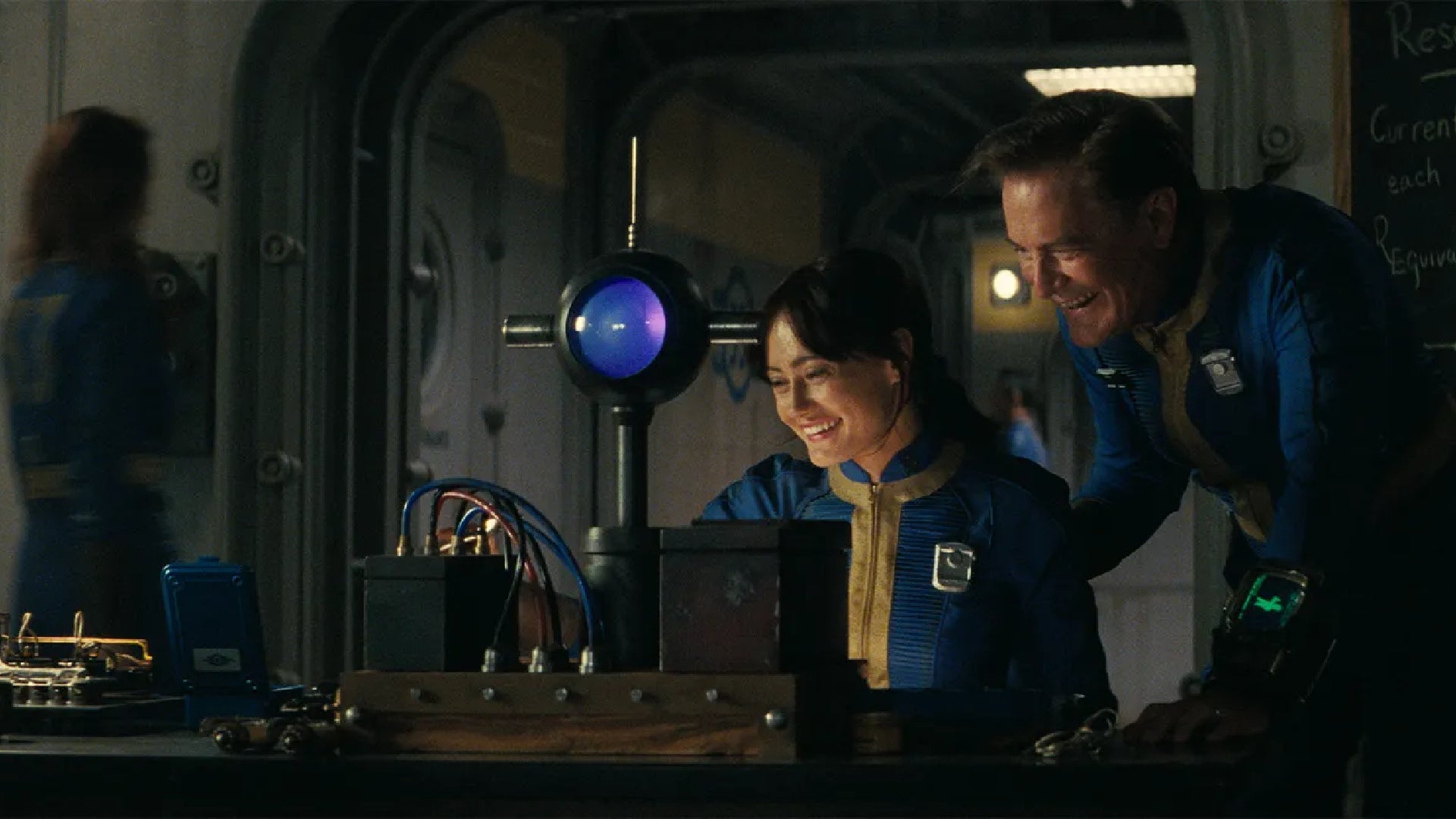
You can’t not have someone come out of a vault, right? |Image credit:VG247/Vanity Fair/Amazon
I’ll be frank. I don’t particularly care what the blowing up of Shady Sands by one man, a vault overseer and former Vault-Tec lackey, who’d have to have been pretty damn knowledgeable and resourceful to find a way to wipe an entire city off the face of the map all on his lonesome, means - or doesn’t mean - for the series’ canon. That’s a nebulous concept which doesn’t really matter unless you decide it does. It changes all the time, and always will. It’s the fact that, in wiping away the progress of one of the groups that were actually trying to drive the world of Fallout forwards in order to try and beef up an already intriguing story that could probably have been told just as well without something so cartoonishly drastic, we end up back at square one.
Maybe the NCR’s plan for the wasteland would have led to this kind of disintegration and vulnerability this quickly, even at the heart of its Californian power base. What’s strange is that no one new’s stepped up to start filling the power vacuum. There aren’t any people busy working on new ways to reshape and redefine the blank slate that is the wasteland. The saying goes that everybody’s supposed to want to rule the world, but few people seem to be allowed to do more than just survive.
All we’ve got are people who vaguely want the old world back in some form, be it the Brotherhood, the Enclave, or even the damn Minutemen, and groups that seem to lack many wider ideas as to how society might be re-built. The Institute’s vision for redefining mankind is largely limited to making robo-people and turning on a reactor that’ll allow them to keep on living out their lives underground, with no guiding principle other than continuing to make gadgets that’ll only be used to help them do that. The Railroad only exists as a counter-punch to that, determined to try and free those robo-people.
It feels a bit like they’re all Ned Flanders’ parents. They’ve tried next to nothing, and they’re all out of new ideas. And so, the worlds they live in are like mirror universe versions of Mr House’s snowglobes. Everything’s preserved largely as it was before bombs fell, even as time continues to march on and on.

You can’t not have the Brotherhood, in their power armour, right? |Image credit:VG247/Amazon/Bethesda
I’ll be interested to see where its creators decide to take things in future series , now they’ve got that initial hard part out of the way, and we’re all along for the ride, armed with a series we can point to as a pretty good starting point for any newbies who don’t fancy throwing themselves in at the deep end. Hopefully it’ll work - as I hope Fallout 5 will - to build on the world, rather than keep on restoring the stage to act one and acting out what’ve grown to feel like a lot of the same kinds of stories with similar casts.
To me, Fallout’s at its best when it’s using its unique world - free of the established structures and strict strata we’re bound by in real life - to show us things that we haven’t seen before. Not just one person putting up settlements everywhere because they fancy themselves a post-nuclear Bob the builder, but emerging civilisations with unique and different ideas, aesthetics, and visions for how our species should wander on into the future, picking up the pieces of a shattered world. And, in the process, sometimes chucking those pieces at each others’ heads.
Because, to paraphrase Fallout 3’s intro, while it’s true that “war never changes” and that “the apocalypse was simply the prologue to another bloody chapter of human history”, that doesn’t mean people would stop coming up with new reasons to spill blood. After all, it’s hard to make progress, especially the radical kind a species that recently blew itself back to the stone age would really need - and want - to, without conflict. It’s not just a case of pushing a big button that starts up a water purifier, blows up a city, or kicks a cold fusion reactor into life, and everything’ll be ok.
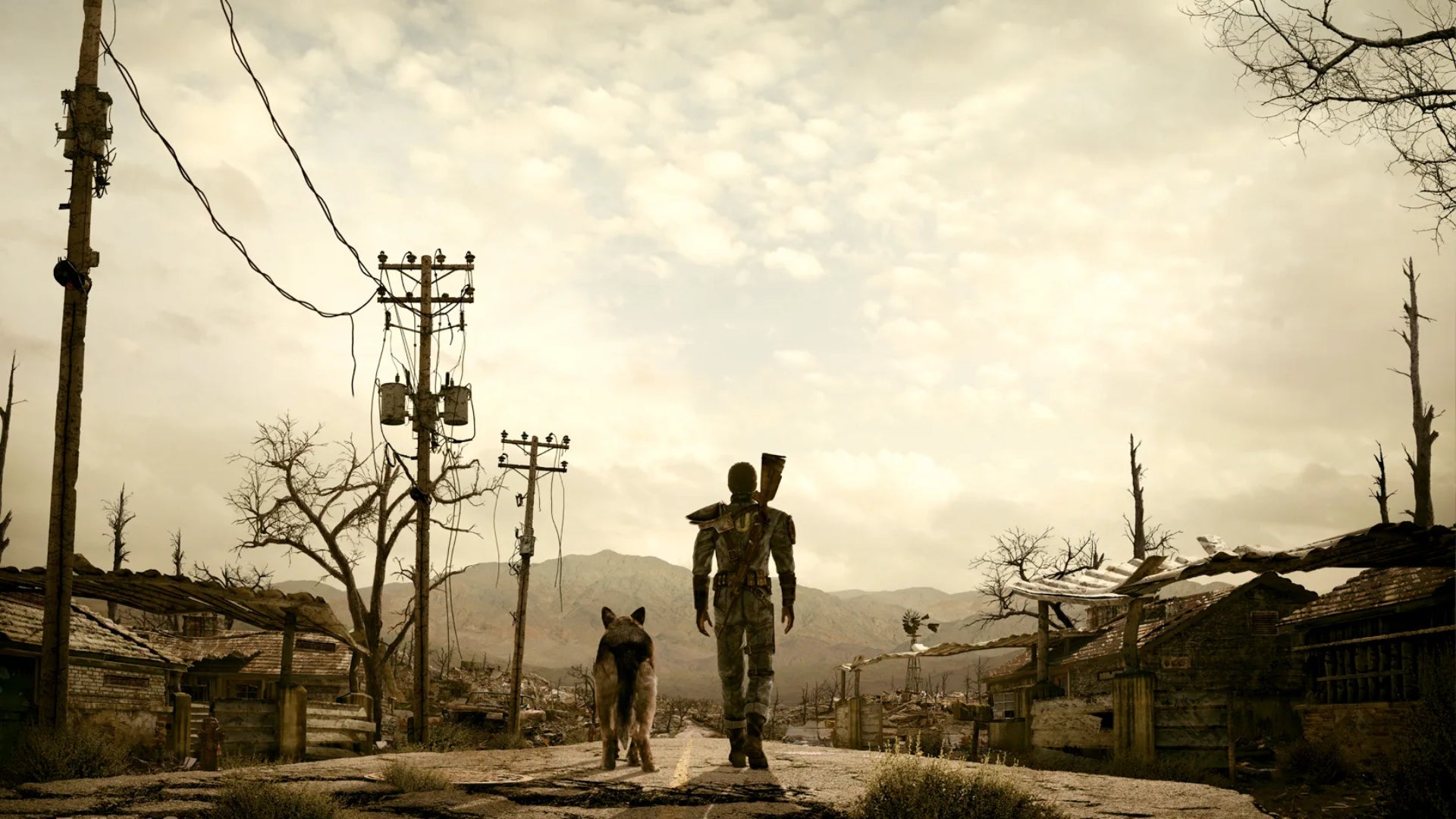
War never changes, but humanity never stops walking forwards. |Image credit:VG247/Bethesda
The world’s been set on fire, but it’d take a lot more than that to stomp out the flame of inspiration in humanity’s heart. I just hope that, in Bethesda’s version of the series, that flame’ll be allowed to burn a little brighter going forwards.
Even if our family members will probably never be allowed to stop going for a wander.
Fallout 3
PS3 , Xbox 360 , PC
Fallout 4
PS4 , Xbox One , PC , Nintendo Switch 2
Fallout TV show
TV show
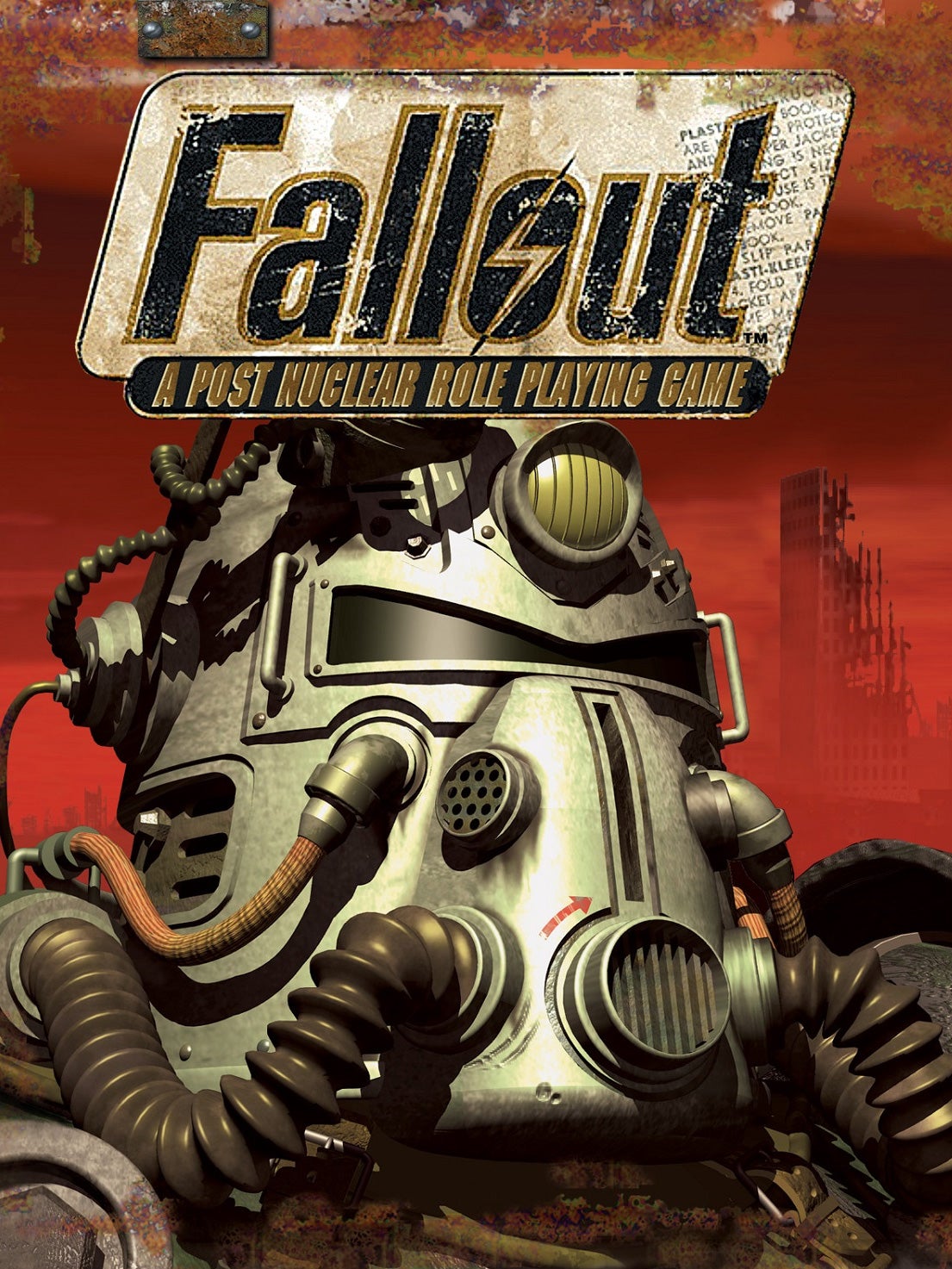
Fallout: A Post Nuclear Role Playing Game
PC
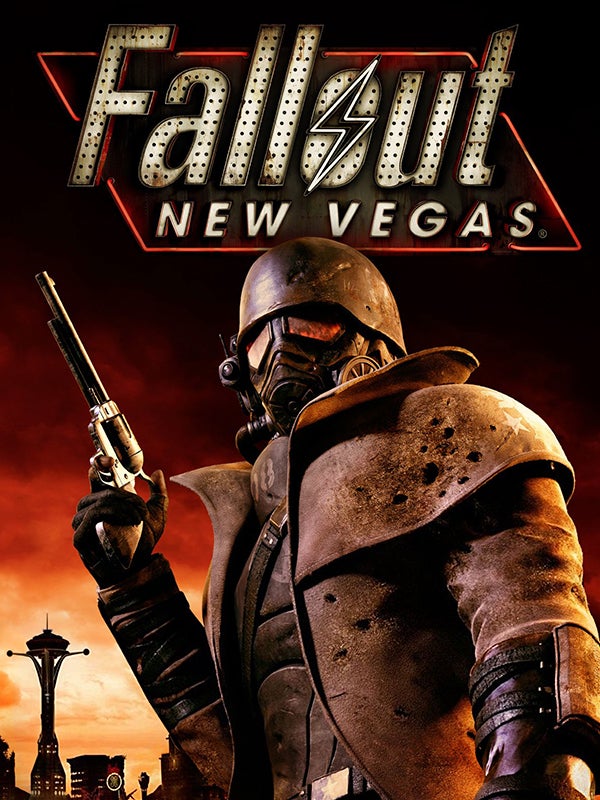
Fallout: New Vegas
iOS , PS3 , Xbox 360 , PC
Think you know Fallout?
Take our quiz and prove it!
